|
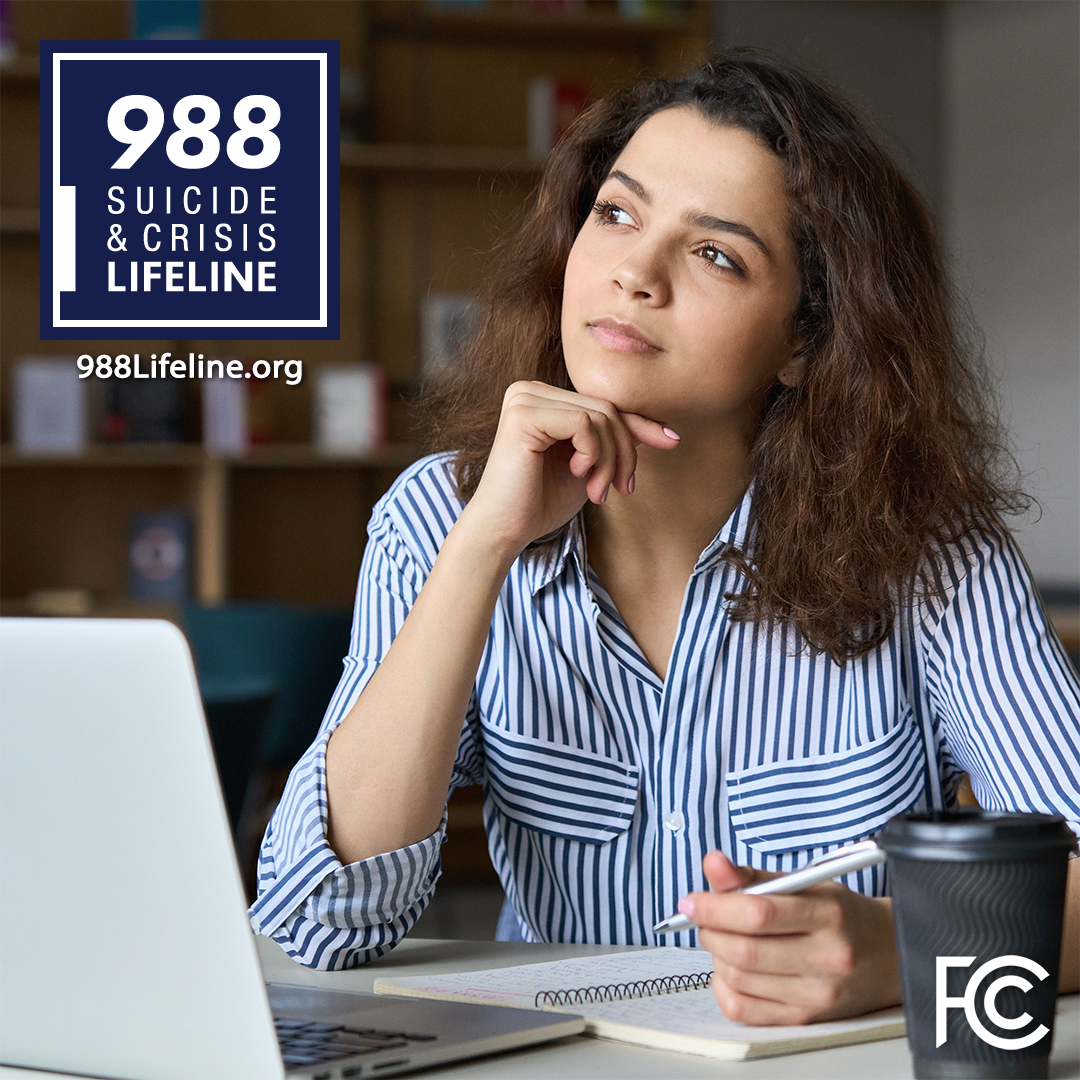
Recently I heard there was a new service being launched by the US government called the "988 suicide and crisis lifeline." I get emails about this king of thing all the time, but I have to admit I was intrigued by this one. One thing that I hope results from this change is an improvement in crisis response services. Prior to 988 your mileage could vary substantially when calling your county crisis hotline. This was the primary way to get help before this hotline, and almost always involved law enforcement. I've spoken directly with a number of law enforcement officers, and I can say that based on what I've heard many of these individuals have little or no training in managing mental health crises. What's more, the culture of many departments around mental health can be very toxic. So, when I heard that this will replace these county crisis lines, I became hopeful that it would change and improve the response to acute mental health crises. Although, as with many things, time will tell. A gripe I've had with the previous national suicide hotline was that it was so difficult to remember. When people are in acute crisis, often times they are not able to think straight, many in depression will experience brain fog and not be able to remember things. I have to give credit to Logic (and Alessia Carter and DJ Khalid) for his song 1-800-273-8255 trying to promote the previous hotline, and maybe trying to make the number more memorable...but this is a much better solution. 988 is as easy to remember as 911, so hopefully this will increase service utilization by those in crisis.
With their news release the FCC has provided a number of pre-made social media posts. After reading these, I decided to extract the useful bits of information and pass them along to you through a convenient (and single) post.
The useful bits:
So, please spread the word about this new service. Tell your friends and family, your Twitter following, whatever. And next time you're in a personal crisis, call 988.
0 Comments
If you think Holly is a good choice for yourself or your family, call or email her today! If you'd like to get to know a little more about her first, check out her profile here.
By Holly Numan  Everywhere you go, you hear someone say something like “treat yourself” “you deserve this” and “you have to take of yourself too.” As I’m typing this out now, the radio just told me go ahead and treat myself. Most of the time this refers to buying a new dress, ordering a decadent dessert, or going on vacation. There is nothing wrong with giving yourself something that you really want, or you do deserve, but are there other ways to practice self-care?
Going to grad school, one thing that I hear in almost every class is the concept of self-care. Between the tests, the papers, the presentations, there is always an underlying message about making time for yourself and engage in self-care activities. Most of the time, it is referred to having a relaxing period, however you relax, but it is never thought of as doing things for yourself that you may truly need help with. In my last post, I talked about how minds are like gardens, and they need to be cared for the in the same way. All the self-care time and relaxing will be for naught if there are underlying issues that need to be address. Can you enjoy buying that new dress, even though you deserve it, when you are worried about things at home? Can you book that vacation without getting anxious that you may be forgetting an important step along the way, that ultimately holds you back now from even going? Self-care does include all the things previously mentioned, but it also refers to taking care of your mental health. Think of why it feels good to eat that amazing chocolate cake or buy that super cute outfit you’ve been eyeing up for weeks. You are rewarding yourself with things, which makes you feel good inside for a little bit. You then find yourself buying more outfits, things for the home you don’t need, or eating that chocolate cake every day to feel those feel-good feelings. But think of how good it would feel to, instead of buying or eating something all the time, you got to unpack, and unload worries that have been plaguing you for years. Maybe working out some problems that you never knew could be worked out or just having someone listen to you without telling you, you’re fine or to get over it. And once the mind is cared for more, you can enjoy that vacation, treat to its full potential and soak it all in. Self-care of the mind starts with mental health. Whether you struggle with anxious thoughts, depressive moods, addictions to substances that you use to force the good feelings, WADC can help. At WADC, we help you treat your mind for longer lasting results. Instead of one new outfit for self-care, getting treatment for your mental heath will feel like getting a whole new wardrobe. Call or email WADC to take your first step in treating yourself, inside and out. By Holly Numan  Like a garden, our minds need work, care, and attention. When weeds begin to grow and take over, we dig them up or apply weed killer. When bad thoughts, anxious or depressing, grow in our minds, we can take a similar approach and address them with the proper tools. Weed killer for an anxious worry could be some thought challenging to help bring anxiety down. Digging out the weeds of depression could mean working on your self-care routines and incorporating enjoyable activities to change how we feel.
Gardens can also be frustrating and not cooperate with what we are trying to do. The arugula you had plans for may wilt or get eaten by a cute woodland creature. You have to decide either to cry and get mad about it or to accept that maybe this year was not the year for arugula to grow. Same goes for events that happen in our lives; we have the choice to get upset and let it ruin everything, or we can accept what happens and try to move on from it. When you decide to plant a garden, a lot of planning is involved. You have to decide where your going to set it, what you want to grow, and how much time you’re going to give it care and attention. Are you going to have flower garden, to attract butterflies maybe? Or are you planning on growing food to eat fresh when you want? But the first step to any garden is going to the store to get your supplies, and for our minds, that first step could be seeking help. By reaching out for our mental health needs, we are gathering the tools to cultivate our minds to grow in healthy ways, like a garden having the right supplies to succeed. The Wisconsin Anxiety and Depression Clinic can help you gather the supplies and tools you need to tend your mind’s garden, weed killer and all. Give us a call or drop an email today. For the more ideas and articles on how to tend your garden mindfully, read The Mind is a Garden ― What are you Planting? (seekerproject4se.org), 10 Mental Health Benefits of Gardening | Psychology Today, and Garden Your Mind | Little Green Thumbs.
At first, when they were ordered to stay at home, it seemed like they were on an early vacation. What kid doesn’t love weekends and time away from a classroom? But when they learned they would be attending school virtually, many were not sure. I, myself, am an online student for my graduate degree, but I am also an adult and chose this program for myself. Our children didn’t have a choice in how they had to learn. They had to adapt to fast changes, imperfect standards, and technology that they may not have encountered before. Talking with friends on X-box while playing Among Us or Minecraft is very different to answering math problems or trying to get the teacher’s help when needed through a screen.
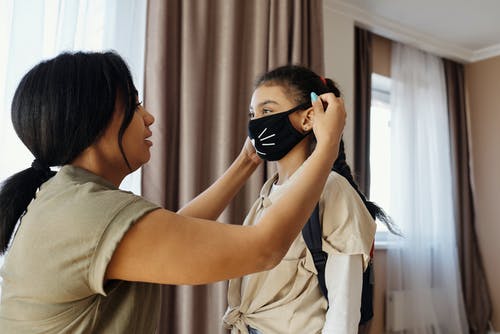
Currently, we are unsure of how this will affect children down the road. Having to wear masks, not being able to play normal recess games or even on playgrounds without extensive cleaning, having to “stay away” from others and give space may be bringing up more issues with anxiety, grieving over the loss of being around playmates, or even trauma. If you think your child is experiencing any negative effects from the pandemic it may be helpful for them to talk to someone. Call or Email Wisconsin Anxiety and Depression Clinic today for that chance to talk. For full article on how the pandemic may be affecting children and adolescents: https://ct.counseling.org/2021/04/feeling-the-strain-the-effects-of-covid-19-on-children-and-adolescents/
For those out of socializing practice, jumping back in could take some time, but is not all lost. One thing you could start out with is using the pandemic to connect with others. Use your new hobbies as a way to chat with others and begin a dialogue from there. But if you’re still terrified of what’s out there beyond the safety of your front door, seeking out the proper help can be beneficial.
If you’re one who would rather the pandemic and quarantines continue just for that perfect excuse to avoid, you may have social anxiety and we can help at the Wisconsin Anxiety and Depression Clinic. Contact us today for information or set up an appointment to take that first step into a new world. For the full article on ways to interact again: Don’t Worry, You Can Learn to Talk to People Again - The New York Times (nytimes.com)
For those that live alone, like myself, I am looking for new ways to connect to others that takes more planning and a heavy reliance on technology. Others that are living with significant others, and children as well, could be feeling a different type of mental health drain.
According to many licensed professional counselors, being able to separate the different roles we play can be difficult when work life, social life, and home life are now combined in one space. Many have had to juggle these different versions of themselves and try to keep the peace with everyone else under the same roof, also combining their roles. Kids used to have breaks such as recess with other children; now they have to rely on breaks with parents, assuming they can take time away from their work schedule to provide this break. Despite the stress this can cause in those parent and child relationships, there are different things that one can do. Taking turns engaging with kids, allowing the other parent to have some “me time” is just one possibility. Maybe you use this time to work on a project, with out interruption. Or maybe you use this time to reevaluate your priorities and what is needed for your own personal mental health. If you struggle with finding that space to destress and to take care of yourself, or you just don’t know how, Wisconsin Anxiety and Depression Clinic can help. Call or email today for an appointment today. For the full article; Far away, so close: Negotiating relationships during COVID-19 - Counseling Today
|
About meAndrew Bailey has been practicing psychotherapy for over a decade. He has worked with patients of all ages, and at all levels of care. He specializes in the treatment of anxiety and depressive disorders, but treat co-occurring disorders as well. About me
Holly Numan has years of work experience at different levels of care with different populations. She offers unique insights into working with anxiety disorders, personality disorders, and addictions. Archives
July 2022
Categories |



 RSS Feed